
Delivered to the hospital is not the same as ready to use
Plan packing, transport, import clearance, unloading and installation as one documented handover.
Sources reviewed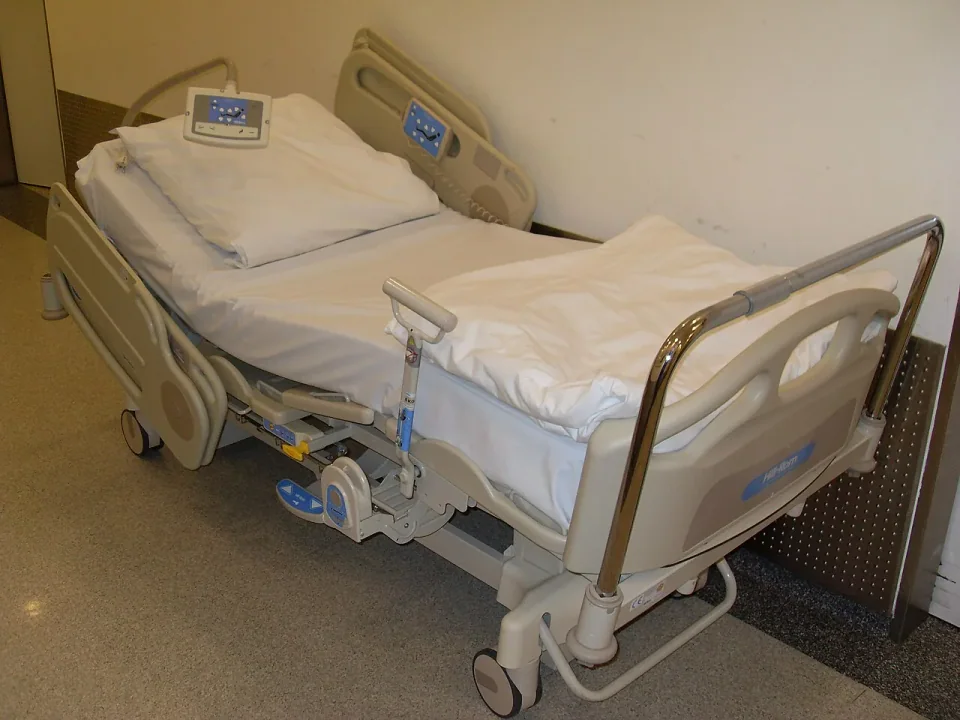
About this photograph
This photograph illustrates the equipment context. It is not evidence of a product, supplier, software configuration or service package recommended in this guide.
The decision at a glance.
- Start here
- Build an origin-to-room worksheet naming the equipment engineer, packer, carrier, broker, receiving team and installer, with evidence and handover points for each.
- Spend more when
- Specialist packing, handling or coordination resolves a material gap in the route, equipment requirements or the hospital's ability to manage contractors.
- Watch the budget
- Include de-installation, packing, clearance, unloading, rigging, site work, storage, waiting, re-delivery, installation and any uncovered loss exposure.
- Check the support
- Confirm destination-specific requirements with qualified advisers. Inspect and document receipt, preserve claim evidence, and keep delivery separate from installation and technical acceptance.
Ask the supplier
- Where does your scope end, and who takes responsibility next?
- Who confirms the destination and documents are ready before dispatch?
- Who carries transport risk and manages any damage claim?
Draw the journey before accepting a freight price
Start inside the seller's room and finish at the hospital's accepted installation. Between them may be de-installation, packing, collection, warehouse handling, international transport, clearance, local delivery, unloading, rigging and commissioning. Mark every change of custody and every change of contractor. The quote should identify where its responsibility begins and ends.
For each stage, record the provider, required documents, equipment condition evidence, price and contingency if the next party is unavailable. GE's published relocation terms illustrate why this matters: engineering work, site preparation, electrical work and transport have distinct responsibilities. Another supplier's agreement may allocate them differently.
Make equipment preparation a specialist task
Have a qualified equipment service team specify the preparation and packing required for the exact system. Ask which assemblies travel separately, what must be secured, what environmental limits apply and what documentation accompanies the shipment. Retain the applicable instructions and a dated pre-dispatch condition report.
Carrier packaging guidance addresses realities such as mechanical handling, stacking and temperature variation. It does not replace equipment-specific instructions. Ask the packer to explain how the proposed packaging meets both requirements. Photographs of the equipment, accessories, identifiers and completed packaging make the shipment record more useful than a generic statement that it was professionally packed.
Check the destination before the truck is booked
The receiving plan should identify the actual entry route, unloading method, internal movement, storage conditions and installation location. The qualified logistics and facilities teams should verify access and load constraints. A street address and loading-dock photograph cannot establish that a large system will reach its final room.
Confirm when staff, lifting resources and the installer will be available. Decide who pays for waiting, re-delivery or storage if the site is unready. If a prerequisite remains unresolved, compare controlled holding at origin with dispatching equipment into uncertainty. Include preservation and any later inspection in that comparison rather than assuming storage is harmless or free.
Resolve import responsibilities for this shipment
For a cross-border move, have the destination's qualified broker and relevant local advisers confirm the requirements for this equipment, condition, intended use and route before dispatch. Ask them to identify the documents, responsible importer, approvals where applicable, charges and expected clearance process. Do not infer requirements from a previous shipment to a different country.
Reconcile the equipment description, serial inventory and values across the commercial and transport paperwork. WHO's donation guidance emphasizes responsibilities throughout a transfer; donated equipment still needs a planned receiving process. Record who answers a customs query and funds storage during a hold. This guide supplies planning questions, not a universal statement of import law.
Know who carries the loss and who files the claim
Read the actual transport agreement and any protection documents before collection. Paying a provider to move equipment does not establish that the provider accepts every loss. GE's published US transport terms are a concrete example in which substantial transport risk remains with the customer. Obtain qualified review of unclear or material contractual exposure.
Assign a receiving inspector and a claim coordinator. Record exterior condition, package identifiers, shortages and visible damage promptly under the applicable procedure. FedEx's claims guidance requests supporting evidence and retention of packaging and contents. Follow the chosen carrier's current requirements and deadlines; a damage indicator or photograph alone does not guarantee a successful claim.
Keep delivery separate from clinical acceptance
Use a handover worksheet with distinct signatures for shipment receipt, unpacking and condition inspection, installation and technical acceptance. Identify who investigates damage or missing accessories before the equipment is put into service. Agree the required tests and documentation with the hospital's technical and clinical teams before shipment.
Close the project only when open discrepancies, costs and responsibilities are resolved. Preserve the origin report, packing record, transport documents, receiving photographs and commissioning evidence together. The best shipping proposal is the one that gets the specified equipment through this complete journey with clear accountability, not simply the one with the lowest line-haul charge.
Compare the options.
Coordinated relocation
- Capability
- Contracted specialist stages under one coordinator.
- Best fit
- A complex move with clear written interfaces.
- Cost to watch
- Scope, exclusions and site work.
Separate specialists
- Capability
- Buyer selects each transport and installation provider.
- Best fit
- A capable project owner can manage all handovers.
- Cost to watch
- Coordination, repeated handling and gaps.
Deferred dispatch
- Capability
- Hold equipment until prerequisites are complete.
- Best fit
- The destination is not yet ready to receive safely.
- Cost to watch
- Storage, preservation and timing.
Option notes, costs & support 3 options
Seller-coordinated relocation and installation
Single-coordinator option
- Best for
- A complex system whose specialist preparation and reinstallation can be contracted together.
- Why consider it
- GE's published relocation terms separately describe de-installation, transport and reinstallation responsibilities.
- The trade-off
- One coordinator does not imply every site task or transport risk is included.
- Price & package
- Require an itemized scope and exclusions.
- Support
- Name the responsible parties at each handover.
Independent specialist logistics with separate installation
Buyer-managed option
- Best for
- A buyer able to coordinate the equipment engineer, packer, carrier and installer.
- Why consider it
- Carrier guidance addresses freight handling and packaging; equipment-specific preparation still needs specialist scope.
- The trade-off
- Interfaces between contractors need explicit ownership.
- Price & package
- Include packing, handling, storage and both engineering visits.
- Support
- Use one buyer-side coordinator and a shared handover record.
Staged dispatch after destination readiness
Readiness-first option
- Best for
- A project with unresolved site work, receiving access or destination paperwork.
- Why consider it
- WHO donation guidance addresses responsibilities before, during and after transfer.
- The trade-off
- Holding, preservation and repeat inspection may cost money.
- Price & package
- Compare controlled storage with failed delivery and rehandling exposure.
- Support
- Specify preservation requirements and the dispatch release authority.
Budget for the complete service.
Accepted-delivery cost = de-installation and packing + transport and clearance + unloading and rigging + storage or delays + installation and acceptance + uncovered loss exposure.
- Equipment-specific preparation
- Access and specialist handling
- Destination documents and charges
- Waiting, storage and re-delivery
- Condition evidence and contractual protection
Before you commit.
- Map origin-to-room stages, custody changes and named responsibilities.
- Obtain equipment-specific preparation and packaging instructions.
- Verify receiving access, unloading, storage and installer availability.
- Have the destination broker confirm shipment-specific requirements before dispatch.
- Identify loss exposure, protection, claim owner and applicable deadlines.
- Separate receipt, inspection, installation and acceptance sign-offs.
Further checks & evidence limits
Questions to resolve
- Where does each provider's responsibility start and finish?
- Who confirms destination readiness and authorizes dispatch?
- Who handles damage evidence, claims and the cost of an unresolved loss?
What the evidence does not establish
- No country-specific import permission, tax, customs classification or carrier liability is inferred.
- Generic carrier packaging guidance does not establish suitability for a particular medical system.
Sources & supporting evidence.
Manufacturer claims and seller offers are identified below. Prices apply to the stated offer and review date; confirm availability, configuration and delivered cost.
- On-demand quotation: relocation and equipment transportation termsGE HealthCare · manufacturer terms · checked October 17, 2026
US relocation terms separate de-installation/reinstallation, site and electrical preparation, loading/unloading and transportation risk. Cited as one contractual example.
- Freight packing and packaging guidelinesFedEx · carrier guidance · checked October 17, 2026
Explains handling, packing and environmental considerations. The current page redirects LTL customers to FedEx Freight; the guide does not generalize carrier-specific limits.
- File a claim: supporting evidence and packaging retentionFedEx · carrier guidance · checked October 17, 2026
Identifies photos, serial numbers, value/repair evidence and retention of original packaging and contents for claims.
- Medical device donations: considerations for solicitation and provision, second editionWHO · institutional guidance · checked October 17, 2026
Sets out responsibilities and considerations before, during and after donations; does not replace destination-specific import advice.
Put the guide to work.
Send MMS your equipment list, destination and budget. We can help you compare a complete package.
Discuss your equipment