
A UPS quote is incomplete until you name what must stay on
Define the failure, the protected equipment and the required outcome before buying power conditioning or backup.
Sources reviewed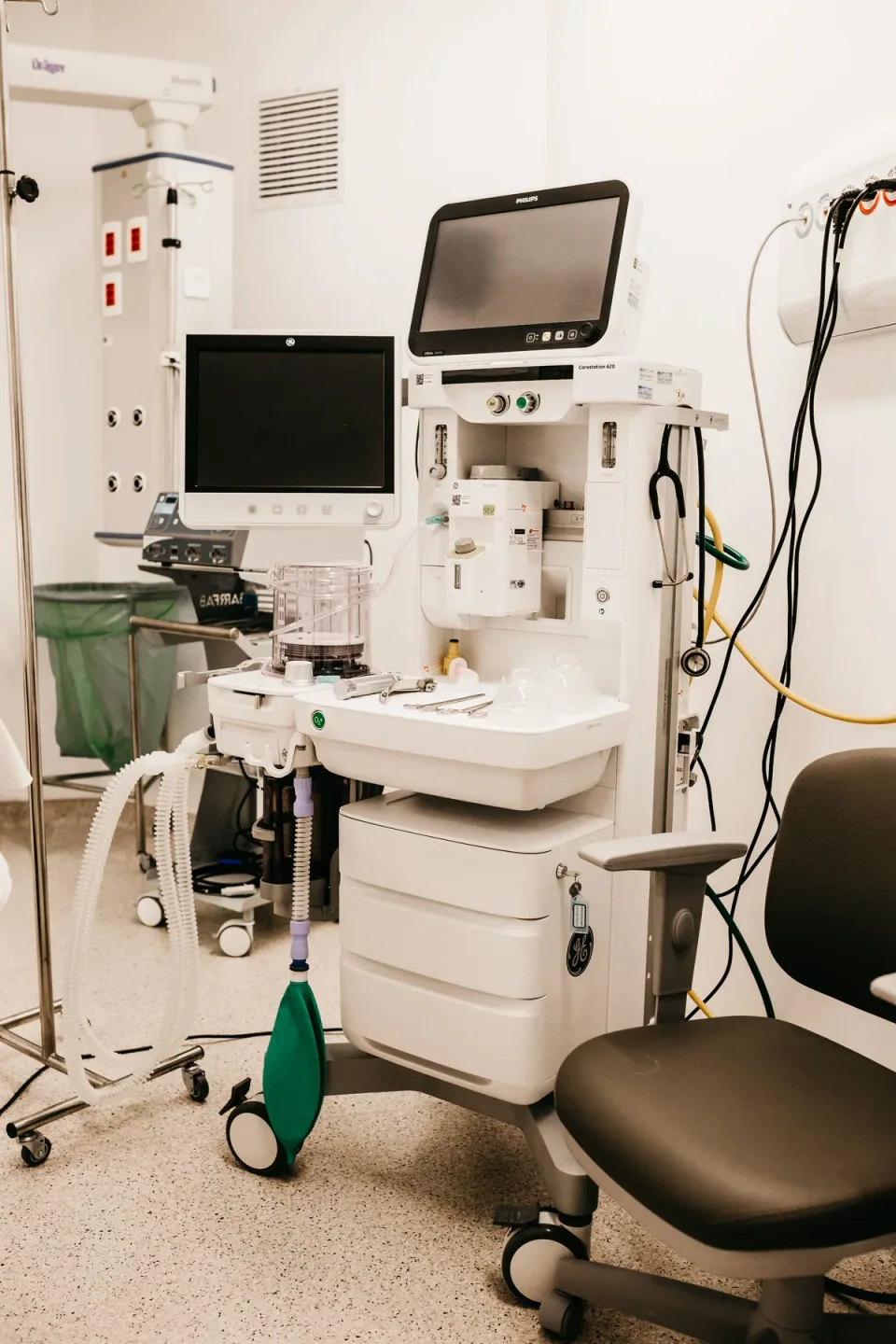
About this photograph
This photograph illustrates the equipment context. It is not evidence of a product, supplier, software configuration or service package recommended in this guide.
The decision at a glance.
- Start here
- Commission a qualified assessment, obtain exact equipment requirements and list every load needed for the proposed bridge, continued operation or controlled shutdown.
- Spend more when
- The accepted design identifies an interruption or power-quality problem that the installed arrangement cannot adequately address for the required equipment.
- Watch the budget
- Include assessment, electrical design, site work, commissioning, batteries, monitoring, routine service and the operating needs of any backup supply.
- Check the support
- Assign responsibility for equipment compatibility, generator handover, recovery, alarms and maintenance. Witness agreed tests under professionally controlled conditions before acceptance.
Ask the supplier
- Which exact loads and conditions support your runtime claim?
- Who verifies transfer to backup supply and return to normal?
- What maintenance and replacement funding preserves the promised capability?
Describe the failure before shopping for the box
Begin with a record of what happens: a console restarts, an examination stops, an alarm appears, or a room loses all power. Record the time, affected devices and any available event logs. Have a qualified engineer investigate the supply and equipment together; a coincidental outage is not a diagnosis.
GE separates its voltage-sag correction offering from UPS applications and recommends assessment of the site's power profile. Use that distinction to ask better questions. The proposal should name the event it addresses and the outcome it provides, rather than describe all power problems as one interchangeable need.
Draw the boundary around the protected load
Write down every item that must remain available for the desired outcome. Depending on the project, that may include the equipment console, acquisition hardware, associated computers, network devices or other supporting services. The supplier and facilities engineer must determine the actual requirement; a scanner's marketing name is not a load schedule.
Ask for a drawing or schedule that clearly marks what is protected and what is outside the proposal. Have the equipment manufacturer confirm applicable supply requirements and restrictions. A UPS serving only a workstation should not be described in the purchase order as backing up an entire imaging room.
Specify an outcome and the conditions behind it
Choose whether the purpose is uninterrupted operation through a defined event, a bridge to another supply, or enough time for an approved controlled shutdown. GE lists both imaging and PACS applications, but that product-family description does not prove the capability of a particular UPS attached to a particular system.
Require the designer to state the protected load, expected operating conditions, runtime basis, battery condition assumptions and behavior when capacity is exhausted. Ask how the proposed arrangement changes as equipment or accessories are added. Do not let an unspecified runtime figure substitute for a documented operating scenario.
Test the handover, including the return to normal
A generator and UPS can each appear satisfactory on their own while the overall sequence remains unproven. Specify who assesses their compatibility, transfer behavior and the equipment's recovery. The project should cover the move to backup supply, operation under the agreed load, and the return to normal power.
Agree a controlled acceptance exercise with facilities staff, the equipment service team and relevant clinical representatives. They should define safe test conditions and pass criteria. Record alarms, interruptions, recovery steps and unresolved exceptions. This is a purchasing and verification requirement for qualified professionals, not a set of instructions for modifying electrical systems.
Fund the system after commissioning
WHO's energy-access report treats facility electrification as both a technical and an economic undertaking. Apply that perspective to ongoing support: batteries, inspection, testing, monitoring, spare components and the operating needs of the chosen backup supply must have owners and budgets.
Ask who responds to a power-system alarm after hours and who can establish whether a fault belongs to the utility, backup system or medical device. Identify the maintenance arrangements during which protection is reduced. A proposal that funds installation but leaves replacement consumables and service unsupported is an unfinished continuity plan.
Use a one-page power requirement worksheet
Create one row per required outcome. Fill in the affected equipment, measured event, acceptable interruption, protected loads, proposed solution, maintenance owner and acceptance evidence. Obtain the equipment supplier's requirements and the engineer's approved design before comparing prices. Keep uncertain entries visibly unresolved instead of allowing suppliers to make different assumptions.
Compare the complete project, including assessment, site work, commissioning and upkeep. Retain an existing installation when evidence confirms it meets the brief. Expand or replace it when the accepted design shows a real gap. The decision is complete when the hospital knows what remains operational, for what conditions, and who maintains that capability.
Compare the options.
Survey
- Capability
- Identify the actual events and affected loads.
- Best fit
- Unknown cause or incomplete site information.
- Cost to watch
- Monitoring and engineering analysis.
Sag correction
- Capability
- Address an assessed voltage-disturbance problem.
- Best fit
- A measured problem within the proposed device's scope.
- Cost to watch
- Compatible protection for selected loads.
UPS
- Capability
- Provide the specified bridge or shutdown outcome.
- Best fit
- A defined interruption requirement.
- Cost to watch
- Load, runtime, batteries and support.
Backup supply and transfer
- Capability
- Support a planned facility continuity strategy.
- Best fit
- Longer outages with a funded operating plan.
- Cost to watch
- Generation/storage, transfer and operation.
Option notes, costs & support 4 options
Power-quality survey before equipment selection
Starting option
- Best for
- Unexplained trips, interruptions or an unfamiliar site.
- Why consider it
- GE's sag-corrector guidance specifically recommends assessing the site's power profile before choosing protection.
- The trade-off
- Assessment takes time but can reveal that different events need different responses.
- Price & package
- Quote measurement, analysis and a written recommendation.
- Support
- Use qualified facilities engineers with the equipment supplier.
Targeted voltage-sag correction
Event-specific option
- Best for
- A professionally assessed site dominated by compatible short-duration voltage-sag problems.
- Why consider it
- GE offers HC-DySC for this class of disturbance.
- The trade-off
- Do not treat a sag-correction proposal as long-duration backup.
- Price & package
- Price the approved circuit and equipment configuration.
- Support
- Confirm exact compatibility and the acceptance test.
UPS for a defined equipment load
Bridge or shutdown option
- Best for
- A documented requirement to bridge interruption or complete an approved shutdown sequence.
- Why consider it
- GE describes UPS applications for imaging and PACS, including data preservation and shutdown.
- The trade-off
- The proposed protected load and runtime must be established for this site.
- Price & package
- Include batteries, monitoring, maintenance and replacement.
- Support
- Obtain OEM and designer approval for the offered configuration.
Engineered backup supply with coordinated transfer
Facility continuity option
- Best for
- A site requiring longer interruption coverage across selected essential services.
- Why consider it
- WHO frames reliable facility energy as a technical and economic planning task.
- The trade-off
- Generation, transfer, fuel or energy storage and downstream equipment must work together.
- Price & package
- Compare the complete engineered system and its continuing upkeep.
- Support
- Assign integrated testing and ongoing operational responsibility.
Budget for the complete service.
Power-support cost = assessment and design + equipment and site work + acceptance + routine operation and maintenance + component replacement.
- Protected load and required outcome
- Site electrical work
- Battery and other component replacement
- Monitoring and service
- Integrated transfer testing
Before you commit.
- Record event logs and commission a qualified power assessment.
- Name the exact equipment and every protected supporting load.
- Specify bridge, continued operation or controlled shutdown as the required outcome.
- Document runtime assumptions and equipment compatibility.
- Witness the agreed transfer and recovery tests.
- Assign maintenance, alarm response and replacement funding.
Further checks & evidence limits
Questions to resolve
- Which loads and operating conditions support the quoted runtime?
- Who verifies compatibility with this equipment and the site's backup supply?
- What happens during maintenance, transfer and return to normal power?
What the evidence does not establish
- No universal UPS size, runtime, electrical threshold or generator-transfer limit is assumed.
- The guide does not establish suitability for any individual medical device or site.
Sources & supporting evidence.
Manufacturer claims and seller offers are identified below. Prices apply to the stated offer and review date; confirm availability, configuration and delivered cost.
- UPS: Uninterruptible Power SuppliesGE HealthCare · manufacturer · checked October 17, 2026
Describes imaging and PACS applications including power management, data saving and appropriate shutdown; exact configuration requires engineering confirmation.
- Dynamic Sag CorrectorGE HealthCare · manufacturer · checked October 17, 2026
Distinguishes voltage-sag correction from UPS applications and recommends assessment of the site's power profile.
- Energizing health: accelerating electricity access in health-care facilitiesWHO, World Bank, IRENA and SEforALL · institutional report · checked October 17, 2026
Addresses characterization of facility energy needs and technical, economic, funding and implementation considerations.
Put the guide to work.
Send MMS your equipment list, destination and budget. We can help you compare a complete package.
Discuss your equipment