
The cheapest replacement part can be the wrong purchase
Match the fault, exact configuration, component condition and return obligations before authorizing an urgent parts order.
Sources reviewed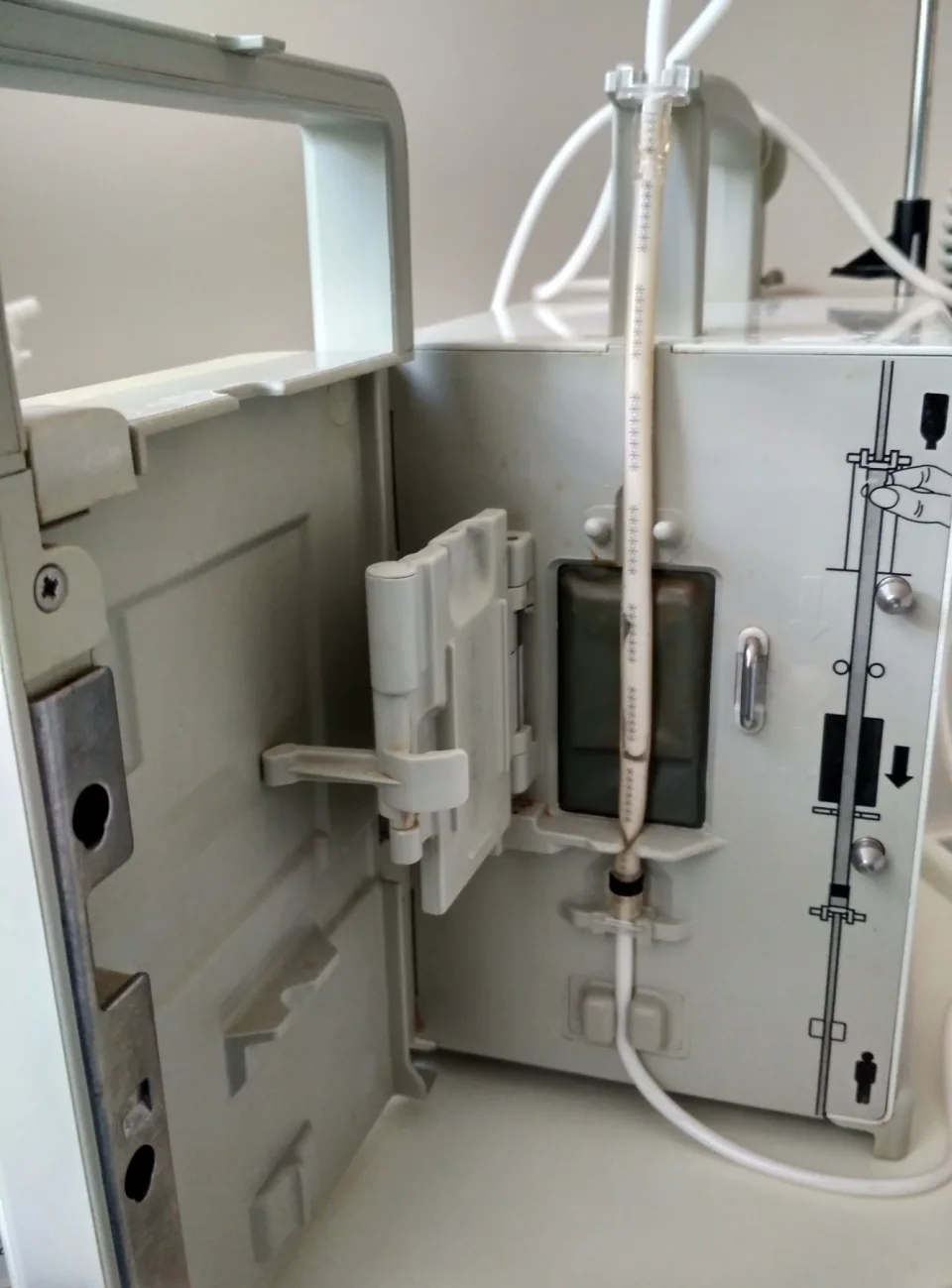
About this photograph
This photograph illustrates the equipment context. It is not evidence of a product, supplier, software configuration or service package recommended in this guide.
The decision at a glance.
- Start here
- Assemble the model, serial, software, options, fault report and full part label. Obtain written compatibility confirmation and identify who will install and verify it.
- Spend more when
- Stronger testing evidence, a usable warranty or dependable delivery resolves a material repair risk that the cheaper offer leaves with the hospital.
- Watch the budget
- Compare diagnosis, freight, handling, installation, calibration, temporary cover and core liability. Show the maximum additional charge if an exchange condition is unmet.
- Check the support
- Record the accepted repair result against the asset. Assign the core return, track its delivery and obtain supplier acceptance before closing the purchase.
Ask the supplier
- Is this exact part or approved replacement compatible with our configuration?
- What condition, tests and return remedy are included?
- What deadline, eligibility rule and charge apply to the old core?
Do not let urgency replace the diagnosis
A fault message can point toward a subsystem without proving which component failed. Before placing an urgent order, ask the service engineer for the diagnosis, the evidence supporting it and any remaining uncertainty. Record whether the proposed part is the confirmed remedy or a troubleshooting step. Those situations need different purchasing terms.
If diagnosis remains uncertain, ask about an evaluation, temporary test component or returnable arrangement where available. Include the cost of another visit if the first part does not solve the problem. Buying several plausible components without an agreed process can turn a seemingly quick repair into a sequence of expensive guesses.
Build an identity packet that another person can check
Collect the equipment model, serial number, software version, installed options, relevant service report and clear photographs of the component label. Record the full part number and revision, including suffixes. Ask the supplier to confirm compatibility with that exact configuration and to explain any proposed replacement or superseded number. The cited US warranty also excludes use outside the United States and does not include installation. A hospital abroad needs written destination-specific coverage and installation terms before relying on that offer.
Make the confirmation part of the order record. A matching connector, similar product photograph or shared model family is insufficient purchasing evidence. WHO's inventory-management guidance reinforces the value of managing equipment information throughout its life; the practical extension here is to connect the ordered part and its installation record to the hospital's specific asset.
Make the condition meaningful
New, refurbished, repaired and used are different descriptions, not a common performance guarantee. Ask who performed the work, what was inspected or tested, what documentation accompanies the item and what remedy applies if it arrives faulty. GE's published parts warranty statement distinguishes component condition and specialty-component categories.
Have the service provider describe whether a proposed substitution restores the intended specifications or changes them. FDA's servicing and remanufacturing guidance makes that distinction consequential; a purchasing team should obtain a qualified assessment rather than assume every modification is routine service. The order should identify the component and agreed work clearly enough to review later.
Treat the core as a second shipment with a deadline
An exchange offer includes an obligation involving the removed component. GE's 2208852-R listing provides a concrete example: its price is conditioned on receipt of a suitable corresponding core within the stated period, with additional billing possible if that condition is unmet. This is one supplier's published arrangement, not a universal rule.
Before ordering, record the core identifier, eligibility, return deadline, packing method, freight responsibility and charge if rejected or late. Assign one person to obtain return instructions, track delivery and confirm acceptance. A part installed successfully does not close the purchase if the old component remains unshipped in the workshop.
Price the repair through release back to service
Add diagnosis, inbound freight, import handling where relevant, installation, calibration, required testing and any temporary replacement to the part price. For an exchange, add outbound core freight and show the contingent core charge separately. For a repair, state what happens if assessment finds the component uneconomic or unsuitable to repair.
Agree who verifies the completed work and what evidence permits release back into service. A box delivered to receiving is not a completed equipment repair. Keep the service report, installed part identity, test result and warranty dates together so a subsequent failure does not require reconstructing the transaction from invoices and memory.
Close the return and warranty loop
Use a worksheet with three stages: before order, after installation and after return. The first records identity, diagnosis and terms. The second records installed condition and acceptance evidence. The third records any returned item, tracking, supplier acceptance and final financial reconciliation. Leave the purchase open until all applicable stages are complete.
Compare suppliers on that complete pathway. A higher component price can be reasonable when it purchases a verified match and usable remedy; a cheaper tested item can also be appropriate when the service team accepts its evidence. The deciding question is whether the hospital can restore the asset and finish the transaction without unresolved obligations.
Compare the options.
New outright
- Capability
- Verified new replacement.
- Best fit
- Supported compatible part is available.
- Cost to watch
- Acquisition plus installation.
Refurbished exchange
- Capability
- Replacement conditional on returning a core.
- Best fit
- The hospital can complete the return obligation.
- Cost to watch
- Core eligibility, deadline and freight.
Repair
- Capability
- Restore the original component where feasible.
- Best fit
- Qualified repair and verification are available.
- Cost to watch
- Assessment, repair and interruption.
Tested used
- Capability
- Condition-specific replacement.
- Best fit
- The service team accepts the documented condition.
- Cost to watch
- Evidence, warranty and repeat freight.
Option notes, costs & support 4 options
New compatible part purchased outright
Direct replacement option
- Best for
- A verified fault with a supported new replacement.
- Why consider it
- A published GE listing offers a new alternative alongside a refurbished exchange item.
- The trade-off
- A new part still needs exact compatibility and installation verification.
- Price & package
- Quote the part, freight, installation and applicable warranty.
- Support
- Confirm manufacturer part number and any approved supersession.
Refurbished exchange part
Core-dependent option
- Best for
- A buyer with an eligible original core and a workable return route.
- Why consider it
- GE's 2208852-R example is explicitly refurbished and exchange-based.
- The trade-off
- Late or unacceptable core return can change the economic result.
- Price & package
- Show exchange price, maximum core exposure and return freight separately.
- Support
- Assign the return owner before ordering.
Repair the installed component
Preserve the existing item
- Best for
- A diagnosed component with a qualified repair pathway.
- Why consider it
- FDA guidance distinguishes servicing from activities that may constitute remanufacturing.
- The trade-off
- Evaluation, repair turnaround and post-repair verification remain necessary.
- Price & package
- Compare the complete repair and temporary-cover cost.
- Support
- Document the work and whether it restores or changes the original specifications.
Tested used or harvested part
Evidence-dependent option
- Best for
- A service team that can verify identity, condition and acceptable support.
- Why consider it
- GE's published warranty statement distinguishes used/harvested condition from new, refurbished and repaired parts.
- The trade-off
- Condition and warranty cannot be inferred from appearance.
- Price & package
- Quote tested condition and the failure-on-arrival remedy.
- Support
- Obtain test evidence and a usable return route.
Budget for the complete service.
Completed parts transaction = diagnosis + component + freight and handling + installation and verification + temporary cover + any unresolved core or return charges.
- Diagnostic certainty
- Exact component compatibility
- Condition and warranty
- Exchange-core terms
- Installation, calibration and freight
Before you commit.
- Attach the fault assessment and exact asset identity to the order.
- Record full part number, revision, software compatibility and approved substitutions.
- Specify condition, test evidence, warranty and failure-on-arrival remedy.
- Record core eligibility, deadline, freight and maximum additional charge.
- Include installation, calibration and release-to-service evidence.
- Confirm return acceptance and final invoice reconciliation.
Further checks & evidence limits
Questions to resolve
- Will you confirm this part against our complete asset and configuration record?
- What is the maximum payable amount if the core is late or rejected?
- Who verifies the repair and closes the return obligation?
What the evidence does not establish
- No general reliability ranking for new, refurbished or used parts is established.
- The cited GE exchange example does not establish another supplier's terms or international availability.
Sources & supporting evidence.
Manufacturer claims and seller offers are identified below. Prices apply to the stated offer and review date; confirm availability, configuration and delivered cost.
- HP Inverter Rhapsode 2208852-R: condition, exchange and warranty termsGE HealthCare · manufacturer parts listing and terms · checked October 17, 2026
Identifies a refurbished exchange item and new alternative; sets core-return conditions and distinguishes warranty categories. Used as a concrete contractual example, not a recommendation for unrelated equipment.
- Remanufacturing of Medical DevicesUS Food and Drug Administration · regulatory guidance · checked October 17, 2026
Final guidance clarifies servicing versus remanufacturing and associated responsibilities; it does not certify a particular repair or part.
- Inventory and maintenance management information system for medical devicesWHO · institutional guidance · checked October 17, 2026
Current publication on equipment inventory and maintenance information management; supports retaining asset-linked service information.
Put the guide to work.
Send MMS your equipment list, destination and budget. We can help you compare a complete package.
Discuss your equipment