
Rent for the gap you have, then check when the gap changes
Compare rental, loaner and purchase options using the complete usable period, compatible accessories and a clear return process.
Sources reviewed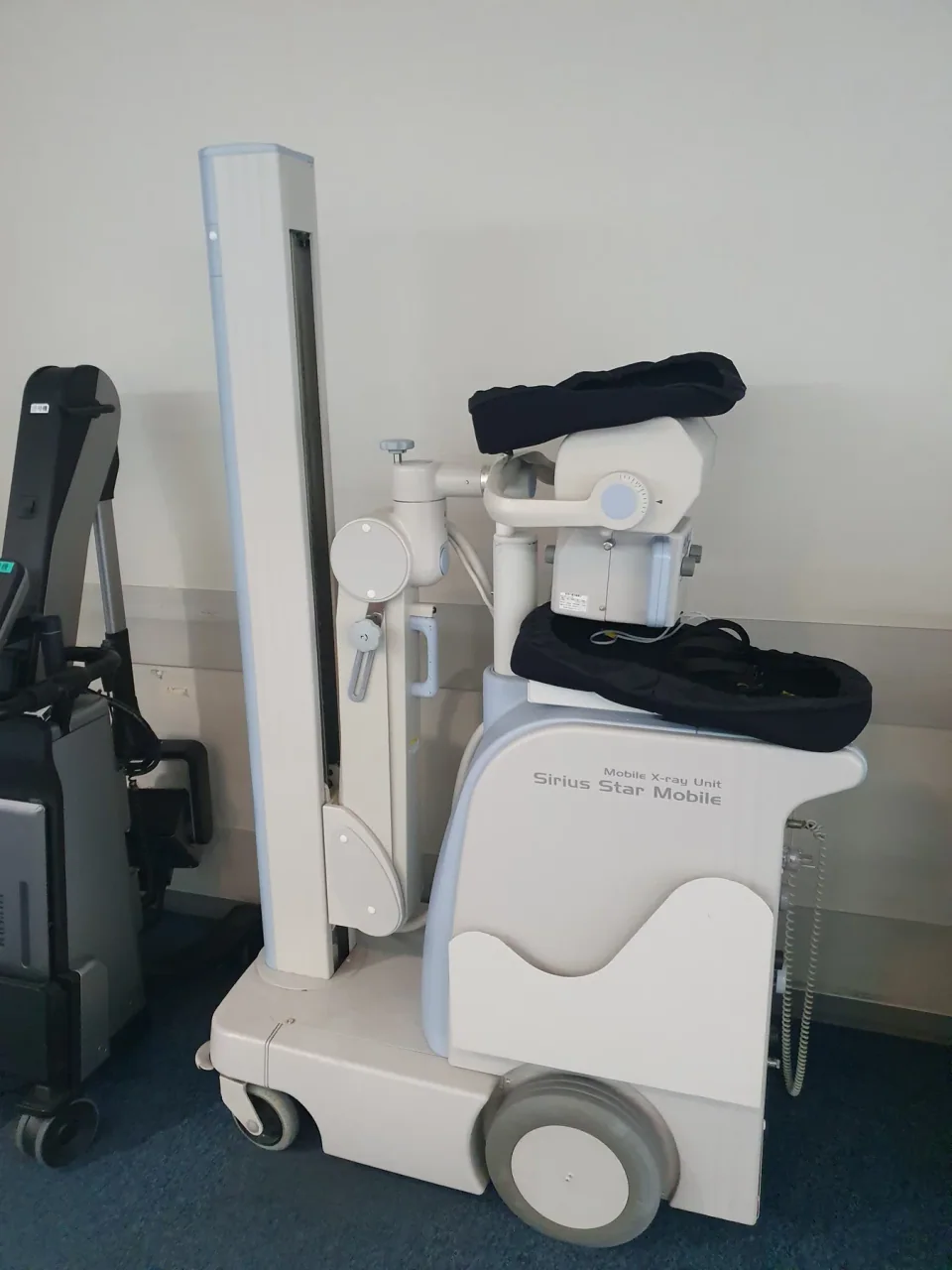
About this photograph
This photograph illustrates the equipment context. It is not evidence of a product, supplier, software configuration or service package recommended in this guide.
The decision at a glance.
- Start here
- State the required configuration, usable start date and event ending the need. Compare rental, confirmed loaner, approved internal capacity and purchase.
- Spend more when
- A better-supported or more complete package can meet the actual deadline and clinical requirement that a cheaper offer cannot demonstrate.
- Watch the budget
- Price the planned interval and plausible extensions. Include transport, setup, accessories, training, minimum commitments, return charges and the exact billing stop event.
- Check the support
- Confirm availability, maintenance, replacement after failure and return obligations. Assign an owner to approve extensions and obtain evidence that billing has ended.
Ask the supplier
- Which exact package is available for our dates and destination?
- What starts and stops billing, and which extra charges apply?
- What would the complete cost be if the need lasts longer?
Define the gap in capability and time
Write down the work that cannot currently be covered, the date equipment must be usable and the expected date the gap ends. A repair, seasonal demand increase and replacement project may require different commitments. Identify the event that ends the need, such as acceptance of a repaired device, rather than relying only on an optimistic calendar estimate.
Prepare three duration cases: the planned interval, a plausible extension and a longer delay. Use the hospital's own project or repair assumptions. Ask suppliers to quote each case. This makes the consequence of uncertainty visible without inventing a universal break-even period or pretending to know when a delayed project will finish.
Compare complete usable packages
List required capabilities, accessories, consumables, software, connectivity and operator familiarity. For each proposal, confirm the actual model or acceptable substitute, condition documentation, delivery location and acceptance process. A rental that arrives without a required probe, cable or compatible supply cannot fill the stated gap.
Agiliti's public rental portfolio demonstrates that multiple equipment categories are available through rental arrangements; it does not establish local availability for a particular configuration. Obtain a dated offer for the specific need. Have the clinical and technical teams approve any substitute and identify training or setup work before counting the first day as usable service.
Check the loaner before treating it as backup
A service-linked loaner may be the most convenient option, but determine what conditions apply. GE's probe diagnostics page states that loaner service depends on inventory and is not offered for every model. Ask whether the proposed substitute supports the examinations and installed system involved in this repair.
Confirm how the unit is reserved, when it can arrive, which charges apply and what happens if the repair is extended. Record damage, cleaning and return obligations. If availability remains unconfirmed, keep another continuity option visible. A statement that loaners are generally offered is weaker evidence than confirmation that a suitable unit is allocated to this job.
Calculate the entire billable period
Obtain the contract's billing unit, minimum commitment, start event, end event, extension terms and cancellation conditions. Ask whether charges stop when the hospital requests collection, when the carrier collects, or when the provider receives the item. Those are questions for the actual agreement, not assumptions to make from the daily rate.
For each duration case, add rental charges, delivery, collection, setup, necessary accessories, training, cleaning charges where applicable and uncovered damage exposure. Identify whether a malfunctioning rental is exchanged and how billing is handled during interruption. Keep deposits, refundable amounts and contingent liabilities separate from costs that will definitely be incurred.
Put purchase and internal capacity beside the rental
Use the same capability and planning period for every alternative. A purchase comparison should include delivery, acceptance, maintenance, consumables, storage, eventual disposition and any credible residual value. State the basis of that residual estimate; do not use an optimistic resale figure simply to make ownership look cheaper.
Also examine an approved internal spare or redeployment. Include preparation, transport and the service gap created elsewhere. WHO's procurement guide supports a clear, accountable acquisition process; the worksheet here applies that principle by documenting the alternatives and assumptions. Lowest immediate cash outlay and lowest total cost can point to different decisions, so show both.
Give the temporary arrangement an owner and a review date
Assign one person to monitor the repair or project milestone, approve extensions and arrange return. Keep a receipt inventory and condition record so accessories and damage can be reconciled at collection. Confirm the equipment is no longer needed before ending cover, and preserve the provider's acknowledgement that the rental has closed.
Revisit the comparison when the expected duration, usage or quote changes. A sensible short rental can become an expensive unexamined habit. Equally, buying an asset for a brief gap can create years of unnecessary ownership work. Choose the option that fits the current evidence, and schedule the next decision before the arrangement silently renews.
Compare the options.
Rental
- Capability
- Specified temporary equipment access.
- Best fit
- A bounded gap with workable terms.
- Cost to watch
- Billable period, transport and extras.
Loaner
- Capability
- Eligible temporary replacement during service.
- Best fit
- The exact substitute is confirmed.
- Cost to watch
- Conditions, freight and availability.
Internal redeployment
- Capability
- Use approved existing capacity.
- Best fit
- No unacceptable gap is created elsewhere.
- Cost to watch
- Preparation and displaced demand.
Purchase
- Capability
- Own a supported continuing resource.
- Best fit
- Sustained demand supports ownership.
- Cost to watch
- Acquisition, upkeep and residual value.
Option notes, costs & support 4 options
Rent a specified equipment package
Defined temporary capacity
- Best for
- A repair interval, temporary demand increase or planned replacement gap.
- Why consider it
- Agiliti publicly offers rental categories including infusion, respiratory, beds and surgical equipment.
- The trade-off
- Public catalog presence does not reserve the required model at the destination.
- Price & package
- Quote the actual term, accessories, transport and return charges.
- Support
- Confirm maintenance, exchange response and the available configuration.
Service-linked loaner
Repair continuity option
- Best for
- An eligible repair with a confirmed compatible temporary replacement.
- Why consider it
- GE's probe program explicitly makes loaner service dependent on inventory and model availability.
- The trade-off
- A loaner promise may be conditional and narrower than the department's needs.
- Price & package
- Confirm any fee, freight, damage exposure and return deadline.
- Support
- Obtain the exact substitute and availability in writing.
Redeploy an approved internal asset
Existing-fleet option
- Best for
- A hospital with a genuinely available compatible device.
- Why consider it
- A needs-based procurement comparison should examine existing capacity before a new commitment.
- The trade-off
- Moving equipment can transfer the shortage to another department.
- Price & package
- Include inspection, accessories, training and transport.
- Support
- Approve the move with both clinical teams and biomedical engineering.
Purchase a supported new or used asset
Continuing-demand option
- Best for
- An enduring requirement with funded maintenance and storage.
- Why consider it
- The acquisition decision can be compared against repeated rental using the same capability and period.
- The trade-off
- Ownership adds upkeep, support and eventual disposal responsibilities.
- Price & package
- Use a complete delivered purchase quote and documented residual assumptions.
- Support
- Confirm condition, acceptance and ongoing service before use.
Budget for the complete service.
Rental comparison = all billable-period charges + delivery/return + setup and extras; purchase comparison = acquisition + operating and support costs + disposition minus a documented realizable residual value.
- Duration and minimum term
- Configuration and accessories
- Delivery, collection and setup
- Maintenance and damage responsibilities
- Extension terms and return closure
Before you commit.
- Define required capability, usable start date and the event ending the need.
- Price planned, extended and longer-delay scenarios.
- Confirm exact model, accessories, training and acceptance.
- Record billing start/stop events and all transport or return charges.
- Compare purchase and approved internal capacity over the same period.
- Assign extension approval, return coordination and closure evidence.
Further checks & evidence limits
Questions to resolve
- Which complete configuration is actually available for our dates and location?
- What starts and stops billing, and what does an extension cost?
- What changes in the comparison if the gap lasts longer than planned?
What the evidence does not establish
- No public rental rate, universal break-even period or guaranteed local availability is established.
- Provider descriptions are evidence of offered arrangements, not independent performance comparisons.
Sources & supporting evidence.
Manufacturer claims and seller offers are identified below. Prices apply to the stated offer and review date; confirm availability, configuration and delivered cost.
- Medical equipment rentalAgiliti · service-provider primary source · checked October 17, 2026
Documents offered rental categories; does not establish a specific unit's local availability, cost or comparative performance.
- Ultrasound probe diagnostics and loaner availabilityGE HealthCare · manufacturer service · checked October 17, 2026
States that its probe loaner service depends on inventory availability and is not offered for every model.
- Procurement process resource guideWHO · institutional guidance · checked October 17, 2026
Foundational procurement guidance emphasizing a clear, accountable process and appropriate acquisition; no current rates are drawn from it.
Put the guide to work.
Send MMS your equipment list, destination and budget. We can help you compare a complete package.
Discuss your equipment