
Two quotes can name the same machine and buy very different things. One may deliver a working package; the other may leave probes, installation or software for the next purchase order. Our editorial view is that price competition works best when the proposals cover the same required service. Start with that complete scope, then ask where a simpler or less expensive option can meet the need.
The decision in brief
Give every supplier the same required configuration and installation scope.
Mark costs as included, separately priced or unresolved; unknown does not mean zero.
Compare expected and lower workload before accepting recurring commitments.
Make the proposals describe the same thing
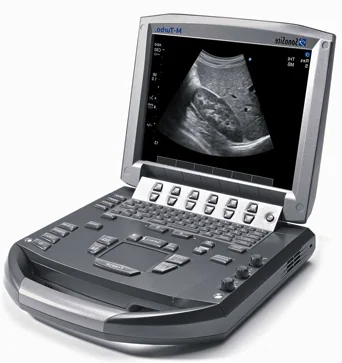
Suppose two suppliers offer an ultrasound system. One quote includes the required probes, a cart, the necessary software and delivery to the facility. The other lists a console with accessories to be confirmed. The lower figure may eventually remain lower, but the first comparison is incomplete. Ask both suppliers to quote against one written configuration and identify every exclusion. Keep unknown costs as unknowns until someone supplies a defensible estimate; entering zero makes uncertainty look like a saving.
Put recurring commitments beside the purchase price
For a laboratory service, WHO identifies reagent stability, shelf life and the intended setting as procurement considerations. That is a useful factual reminder that an instrument and its supply chain belong in the same decision. The broader purchasing method is straightforward: list the initial package, recurring consumables, maintenance, licenses and likely replacement items over an agreed period. Use the facility’s own volumes and assumptions. Show low and high scenarios for uncertain items instead of presenting a precise total built from guesses.
Treat an outage as an operational question
Downtime is difficult to price honestly. It can mean using another room, sending samples elsewhere, transferring work or postponing a service. Procurement should ask the department what it would do, how long that alternative is workable and which costs can reasonably be estimated. A supplier’s promise to answer a call within a day is different from a commitment to restore the equipment. Clarify response, diagnosis, parts supply, attendance and repair separately. If a loan unit is offered, confirm its availability and terms rather than assuming it exists.
Do not turn total cost into an excuse to overbuy
A larger package is not automatically better. Remove features that the clinical team does not need, compare simpler suitable options and question optimistic workload projections. A sophisticated system can carry costs that do not produce useful capacity in the receiving facility. The aim is a complete minimum specification with room for justified growth, not the most elaborate proposal. Record who approved each essential requirement so the comparison can survive changes in staff or supplier.
Build a comparison that can change the decision
Use one sheet with a row for each required component, installation task, recurring cost and service commitment. For each supplier, mark included, priced separately or unresolved. Compare expected workload with a lower-use scenario; this exposes minimum orders and fees that look attractive only at optimistic volumes. If the preferred quote changes under plausible assumptions, resolve the deciding uncertainty before ordering. Finish with a short explanation of why the selected package meets the service need and which risks the facility is accepting.
Your decision checklist
- Compare identical required configurations
- Show exclusions and unknown costs openly
- Estimate recurring costs using local workload
- Distinguish response promises from restoration plans
Sources & reading notes
Purchasing guidance for discussion with your clinical and technical teams. Manufacturer references describe example models, not equipment currently offered for sale.
- WHO · laboratory equipment procurementSource checked 2026-10-16