
A common fleet can make training, accessories and spare parts easier to organize. It can also make one supply interruption affect a much larger service. Our editorial view is to standardize where the practical benefits are clear, document the exceptions and preserve a workable route to change platforms. The next purchase should follow today’s evidence about the service, rather than the habit of repeating the last order.
The decision in brief
Identify the training, accessory and service work a common fleet would reduce.
Track exact compatible parts and retain clinically justified exceptions.
Define a review trigger and price a realistic transition before renewal.
Count the practical gains before assuming them
Map the current fleet and ask staff where variation actually creates work. Separate issues such as different charging systems, multiple consumable stock lines, unfamiliar controls and fragmented service arrangements. Then identify which could be reduced by a common platform. Avoid claiming savings from a brand name alone. Two generations from the same manufacturer may still use different accessories, software or service procedures.
Keep compatibility at the component level
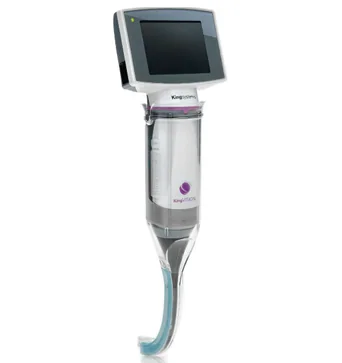
Verathon’s airway documentation lists combinations of monitors, cables and scopes rather than treating compatibility as a general brand attribute. That is a useful example of the detail a fleet plan needs. Maintain an approved component list with exact part numbers and identify the combinations the facility has reviewed. When an item is replaced, check the list and documentation again instead of assuming that a newer part is a drop-in replacement.
Examine the supply commitment
Standardizing a pump or testing platform can concentrate demand on a small number of recurring supplies. Ask about supplier capacity, delivery history available for review, minimum orders, shelf life and the availability of approved alternatives. The important question is not whether dependence exists—many medical devices require specific supplies—but whether the facility understands and can manage it. Carrying a sensible buffer may be part of the answer, provided storage conditions and expiry make it practical.
Allow clinically justified exceptions
A transport team, neonatal service and general ward may need different equipment. Let the clinical specification determine when an exception is warranted. Document the extra training, stock and support the exception will require, so it remains a conscious decision. A standard that forces a poor fit is not simplification; it moves complexity into daily work. Review the fleet plan as services change rather than treating it as permanent.
Put an exit plan beside the fleet plan
Before a large commitment, establish how records can be exported, what software access survives the agreement and who controls configuration and training records. At renewal, compare continuing the platform with replacing one defined part of the fleet. Include retraining, remaining consumables, overlapping stock and integration work in the transition cost. Set a review trigger such as loss of parts support or an unmet clinical requirement. This makes staying a reasoned choice and changing a manageable project rather than an emergency response to a failed supply arrangement.
Your decision checklist
- Identify actual sources of fleet complexity
- Maintain component-level compatibility records
- Review supply dependence and stock assumptions
- Document exceptions and future transition needs
Sources & reading notes
Purchasing guidance for discussion with your clinical and technical teams. Manufacturer references describe example models, not equipment currently offered for sale.
- Verathon · laryngoscope compatibilitySource checked 2026-10-10