
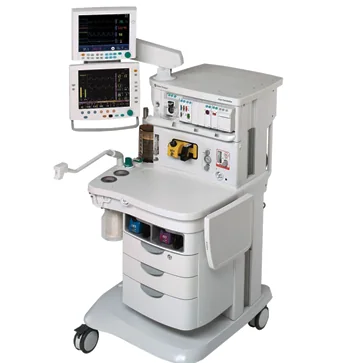
“We will respond tomorrow” does not tell a hospital when its equipment will work again. Our editorial view is to settle the important service questions while the purchase is still negotiable: who diagnoses the fault, who brings the parts, who pays for travel and what the department does in the meantime. A warranty is one part of that agreement. It needs a practical handover and a usable support route.
The decision in brief
Specify covered parts, labor, travel and freight instead of relying on “support included.”
Define response, attendance, parts delivery and restoration separately.
Agree the backup arrangement and who authorizes return to service after repair.
Distinguish the kinds of support
A proposal may mention technical support, preventive maintenance, repair, parts coverage or training. These are different services. Ask who performs each, where it happens and what is excluded. Confirm whether engineer travel, freight, batteries, probes and other major accessories are covered. Do not turn a friendly assurance that help is available into an assumed service commitment; request a written scope that both parties can refer to.
Define what the clock measures
A response commitment describes when someone will acknowledge or begin handling an issue. Attendance, diagnosis, parts delivery and restoration are separate milestones. Ask what information is needed to start the process and which hours and locations the arrangement covers. If the facility depends on a loan unit or backup machine, confirm the practical details in advance. Clinical departments should decide what disruption they can tolerate and what contingency service they need.
Give the equipment a useful record
At handover, collect the serial number, configuration, instructions, acceptance documentation, maintenance requirements and support contacts in the facility’s asset record. Keep accessory identities where they affect compatibility. Record service events so a future technician can understand what changed. The first fault report should not require reconstructing the purchase from scattered emails and photographs.
Plan for safety notices and changes
Manufacturers and regulators publish corrections and recalls that may affect particular models or serial ranges. FDA’s recall database is one public reference for U.S. information. Assign someone to receive applicable manufacturer notices and route them to the clinical and technical owners. A device being absent from one search does not establish that every update is complete. Preserve the evidence of any required corrective work with the unit’s records.
Choose coverage against the disruption you can manage
Compare a broader service agreement with planned maintenance plus separately billed repairs using the same parts, labor, travel and freight assumptions. Separate billing may be workable where qualified local support and contingency capacity exist; broader coverage deserves consideration when a major repair bill or prolonged outage would be difficult to absorb. Confirm the exclusions in either case. Agree who performs the required checks and authorizes return to service under local procedures after repair. Put that final step in the written scope alongside response, attendance and parts-delivery responsibilities.
Your decision checklist
- Separate maintenance, repair, parts and training scope
- Define response, attendance and restoration terms
- Create the asset record during handover
- Assign notice tracking and return-to-service responsibility
Sources & reading notes
Purchasing guidance for discussion with your clinical and technical teams. Manufacturer references describe example models, not equipment currently offered for sale.
- FDA · medical device recall databaseSource checked 2026-10-10