
OB/GYN ultrasound: buy the everyday probes before the 4D promise
Compare the routine abdominal and endocavity package first. Add volume imaging when it serves a defined clinical need and the complete workflow is funded.
Editorially reviewed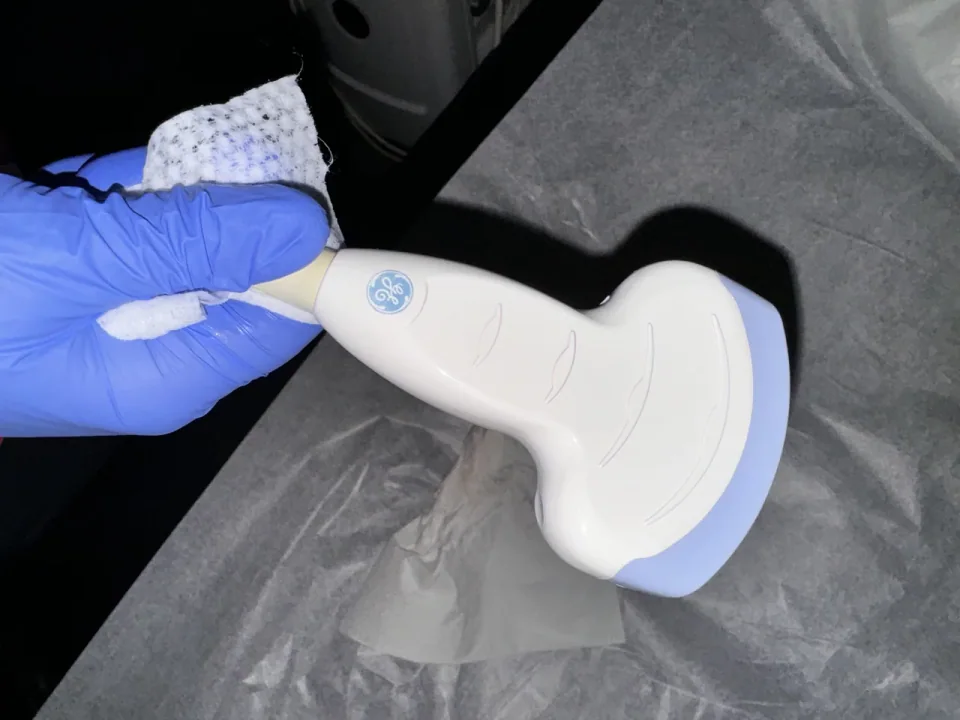
About this photograph
Not evidence of MMS stock, recommended options, current support, performance or endorsement.
The decision at a glance.
- Start here
- Define routine examinations and reporting, then price the exact required probes and enabled functions.
- Spend more when
- A volume application, second probe or dedicated system closes a demonstrated clinical or availability gap.
- Watch the budget
- OB/GYN ownership cost = complete probe/software package + reporting and care setup + staff, supplies, maintenance and continuity over a common period.
- Check the support
- The package relies on unclear release compatibility, unfunded probe processing or speculative keepsake revenue.
Ask the supplier
- Which routine and volume probes and software options are actually included?
- Which exact release supports each proposed probe?
- What processing, reporting and ongoing costs accompany the complete service?
Separate routine work from the proposed upgrade
Begin with the OB/GYN team’s defined examination service, including who interprets the images and how the report reaches the clinician. Identify the everyday transducers, required imaging and measurement functions, and the care process for each probe. A console with an attractive volume demonstration can still be an incomplete routine package.
Then identify the specific work that would justify a volume probe or advanced analysis. Keep that addition visible in the comparison. If the existing accepted system completes the routine service, an upgrade should buy a named clinical or workflow benefit rather than simply a newer rendering style.
The Voluson name does not specify the probe bundle
GE’s September 2023 Japanese Voluson P8 page names 4C-RS, RAB2-6-RS, IC9-RS and RIC5-9-RS and describes 3D tools. It provides a concrete configuration lead, not a statement that all four probes and every software option are included in a P8 offer. Separate the routine abdominal/endocavity requirement from any requested volume-imaging package.
The IC9-RS service listing makes a useful limitation explicit: a listed system may not support the probe on every release. Thus “fits Voluson P8” needs the software and hardware context. Confirm the exact probe suffix, release and required function together; a family-level compatibility table cannot replace that check.
A second probe can be more useful than another rendering option
Compare what happens during the planned working day. If a necessary endocavity probe is unavailable during processing or repair, another console with the same single probe does not add complete capacity. A compatible second probe may be the more useful purchase, provided its processing, storage and inspection can be supported.
Have infection-prevention and technical staff establish the model-specific care route before committing to the bundle. Price the ongoing supplies and staff work as well as any processing equipment. The demonstration should leave the hospital with a practical way to prepare the probe for its next approved use, not simply a successful image on the screen.
Follow measurements into the report
Ask the clinical team to demonstrate its required measurements, labels, saved images and final reporting on the offered release. Establish which analysis happens on the scanner and which requires another workstation or licence. Verify that the receiving service can retrieve and review the study using its actual workflow.
For a shared hospital scanner, compare the OB/GYN package with the other departments’ essential probes and access requirements. A dedicated women’s-health system may be worthwhile when its accepted functions or availability solve a real constraint. Where sharing works, the budget may go further completing the probe bundle and support arrangement.
Do not let gross revenue decide the equipment purchase
A projected fee multiplied by scan volume is revenue, not surplus available to repay the machine. Deduct the additional staff, supplies, care, reporting, maintenance and financing costs that actually follow the proposed service. Keep uncertain demand visible. A vendor’s return-on-investment illustration does not supply those local assumptions.
FDA discourages ultrasound solely for nonmedical keepsake videos and emphasizes prudent use by appropriately trained providers. That rules out “completely harmless” as a sound equipment-sales argument. Choose volume capability for the defined clinical service; do not justify an upgrade by promising unlimited souvenir scanning or guaranteed earnings.
Compare the options.
Complete routine OB/GYN package
- Capability
- Prioritizes the required abdominal/endocavity work and reporting.
- Best fit
- A service funding its agreed everyday examinations.
- Cost to watch
- The exact release, probes and care costs must be included.
Routine package plus justified volume capability
- Capability
- Makes additional probes and software a separate buying decision.
- Best fit
- A clinical brief that requires volume acquisition or analysis.
- Cost to watch
- The advertised model name does not establish option entitlement.
Complete the installed platform
- Capability
- Can preserve existing accessories, training and reporting.
- Best fit
- An accepted system missing a supported probe or workflow element.
- Cost to watch
- Confirm compatibility and remaining support before adding cost.
Option notes, costs & support 3 options
For every option
- Price & package
- Compare the complete configured package; no current matched price established.
- Support
- Confirm exact release, probe condition and destination repair eligibility.
Complete routine OB/GYN package
First comparison
- Best for
- A service funding its agreed everyday examinations.
- Why consider it
- Prioritizes the required abdominal/endocavity work and reporting.
- The trade-off
- The exact release, probes and care costs must be included.
Routine package plus justified volume capability
Defined upgrade
- Best for
- A clinical brief that requires volume acquisition or analysis.
- Why consider it
- Makes additional probes and software a separate buying decision.
- The trade-off
- The advertised model name does not establish option entitlement.
Complete the installed platform
Preserve useful investment
- Best for
- An accepted system missing a supported probe or workflow element.
- Why consider it
- Can preserve existing accessories, training and reporting.
- The trade-off
- Confirm compatibility and remaining support before adding cost.
Budget for the complete service.
OB/GYN ownership cost = complete probe/software package + reporting and care setup + staff, supplies, maintenance and continuity over a common period.
- Routine versus volume requirements
- Exact endocavity compatibility
- Processing capacity
- Reporting and service economics
Further checks & evidence limits
Questions to resolve
- Which routine and volume probes and software options are actually included?
- Which exact release supports each proposed probe?
- What processing, reporting and ongoing costs accompany the complete service?
What the evidence does not establish
- No current matched prices or performance ranking established.
- Local clinical requirements, intended use and approved care remain qualified-team decisions.
- Public probe-guide PDF returned 404; no unsupported frequency or volume-probe table was copied.
Sources & supporting evidence.
Manufacturer claims and seller offers are identified below. Prices apply to the stated offer and review date; confirm availability, configuration and delivered cost.
- Voluson P8 Japanese product page, September 2023GE HealthCare · manufacturer · checked October 18, 2026
Relevant product, 3D and named-probe sections read; 4C-RS, RAB2-6-RS, IC9-RS and RIC5-9-RS listed. Regional page dated JB08333JA September 2023; does not establish all-unit inclusions or destination authorization.
- IC9-RS probe 5722023: application and release limitationGE HealthCare · manufacturer · checked October 18, 2026
Product overview and compatibility warning read: Voluson P8 is listed but not every release is necessarily compatible. No stock or current price inferred.
- Ultrasound care and cleaning, including TEE guidancePhilips · manufacturer · checked October 18, 2026
Public written inspection, compatible-product and TEE care overview read. Video and all linked model IFUs were not reviewed; no processing instructions reproduced.
- Ultrasound imaging: benefits, risks and prudent useUS FDA · regulatory guidance · checked October 18, 2026
Benefits/risks, expectant-mother and provider sections read; prudent use and avoidance of solely nonmedical keepsake scanning. No protocol or blanket safety claim.
Put the guide to work.
Send MMS your equipment list, destination and budget. We can help you compare a complete package.
Discuss your equipment