
Selling medical equipment: the highest bid can leave less behind
Compare sale, donation, redeployment and retirement after removal, data handling and transition costs. A simple net-proceeds example shows why the biggest offer may be the weaker deal.
Editorially reviewed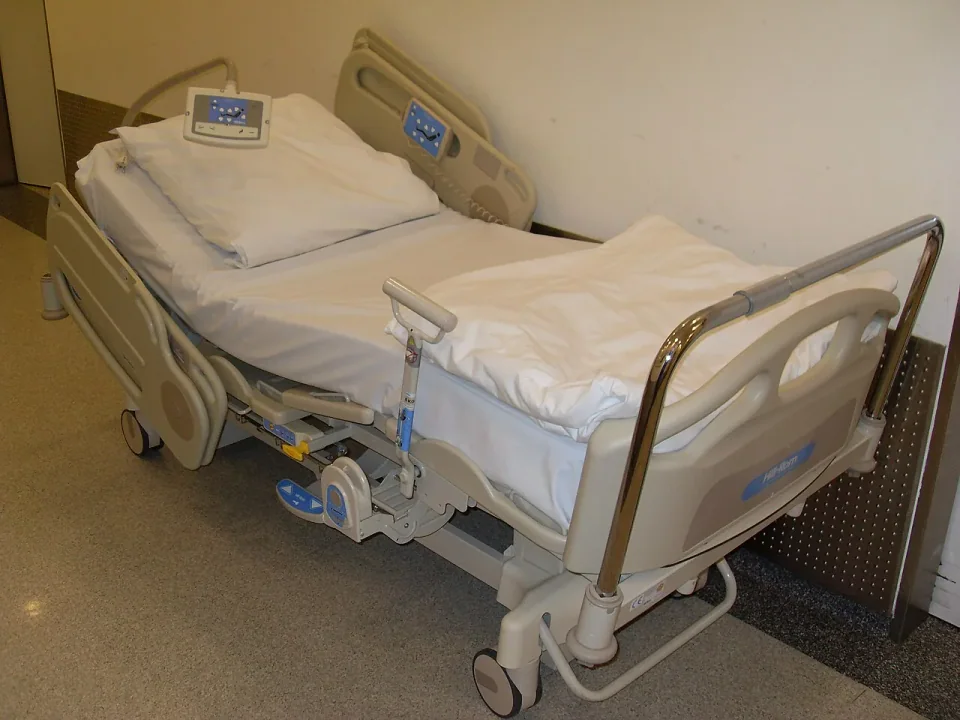
About this photograph
This archive photograph illustrates the equipment setting; it does not show or verify the exact device, configuration or service compared in this article.
The decision at a glance.
- Start here
- Compare sale, redeployment, donation and retirement with the same removal, data and transition obligations.
- Spend more when
- Qualified removal, data handling or temporary cover prevents a defined unresolved obligation or service gap.
- Watch the budget
- Net sale proceeds = payment received − owner-paid removal, transaction, data and remaining contract costs. Compare other routes using the same scope and transition period.
- Check the support
- The proposed transfer depends on unclear ownership, unverified data handling or an unready recipient.
Ask the supplier
- Which removal, transport, transaction and remaining-contract costs stay with us?
- What equipment, accessories and transferable rights does the recipient accept?
- Who completes and documents data handling, custody transfer and the service transition?
Compare the four routes before accepting an offer
Sale may recover cash. Redeployment may preserve useful capacity within the organization. Donation may meet a recipient’s real need. Retirement may be the appropriate route when a safe, supported onward use cannot be established. Compare each route against the same responsibilities and transition date; none makes removal or unresolved obligations disappear.
For redeployment or donation, establish that the receiving service actually wants the exact configuration and can fund installation, operation and support. Moving an incomplete system does not create a working service. For retirement, plan qualified decommissioning and the applicable disposal route rather than leaving unwanted equipment indefinitely in a corridor or store.
A smaller gross offer can produce a larger return
Consider a hypothetical sale with two offers for the same equipment. Bid A is US$10,000, but the owner must pay US$7,000 for the agreed removal and transaction costs. Net proceeds are US$3,000. Bid B is US$7,500 with US$1,500 of owner-paid costs for the same obligations, leaving US$6,000. The lower bid leaves US$3,000 more.
These are illustrative amounts, not equipment valuations. The comparison works only if scope and risk are genuinely comparable. Check dismantling, packing, lifting, transport, storage, commissions, required data work and any remaining lease or contract payments. Show exclusions and unresolved costs explicitly instead of deducting an optimistic single allowance.
Describe what is actually available to transfer
Prepare an accurate equipment identity and condition record: model and serial, installed options, included accessories, known faults, maintenance history and any relevant restrictions. Distinguish what has been tested from what is merely present. Useful documentation helps the recipient judge the package; it does not guarantee a resale premium.
Check ownership, outstanding obligations and the rights associated with software and hosted services. Possession of the machine should not be treated as proof that every licence or service account transfers with it. Resolve the permitted handover and recovery route before promising a working software package to a buyer or recipient.
Patient-data deletion needs its own completion evidence
For US covered entities, HHS says policies and procedures must address final disposition of electronic protected health information and removal before media reuse. NIST’s sanitization overview frames the objective as making access to target data infeasible for a defined level of effort. Neither a blank patient list nor a “Delete All” screen proves that this objective has been met.
Assign authorized technical and privacy staff to determine the applicable process for the actual device and storage media. Preserve required records through the approved route, protect any necessary recovery configuration and obtain evidence of completion. Do not improvise a wipe command from a general equipment article; requirements and suitable methods depend on the system and jurisdiction.
Finish the transition as well as the transaction
Agree who disconnects and removes the equipment, what access and preparation are required, who bears damage risk, and when custody changes. Define the evidence that closes each step. A buyer collecting from the loading dock has not necessarily accepted responsibility for removing a heavy installed system from its room.
Keep clinical continuity in the decision. If the replacement is not yet accepted, an early pickup may create an expensive service gap. Compare holding, temporary cover and staged removal where appropriate. Close the asset, service and data records once the agreed work is complete; a payment receipt alone should not mark the entire exit finished.
Compare the options.
Sell with an explicit removal scope
- Capability
- Compare net proceeds after all owner-paid costs and remaining obligations.
- Best fit
- Equipment with a supportable onward use and a credible buyer.
- Cost to watch
- The highest gross bid can leave a smaller net return.
Redeploy or donate to an accepting service
- Capability
- Can preserve useful equipment value without relying on a sale.
- Best fit
- A recipient with a defined need and funded complete service.
- Cost to watch
- Acceptance, installation and continuing support must be real.
Retire through qualified decommissioning
- Capability
- Allows a planned removal, data and disposal process.
- Best fit
- Equipment without an established appropriate onward use.
- Cost to watch
- Budget the work rather than assuming a zero-cost exit.
Option notes, costs & support 3 options
For every option
- Price & package
- Compare net proceeds or net exit cost; no market valuation or tax benefit established.
- Support
- Assign responsibility for transition, removal, records and applicable data/disposal obligations.
Sell with an explicit removal scope
Cash-recovery route
- Best for
- Equipment with a supportable onward use and a credible buyer.
- Why consider it
- Compare net proceeds after all owner-paid costs and remaining obligations.
- The trade-off
- The highest gross bid can leave a smaller net return.
Redeploy or donate to an accepting service
Capacity route
- Best for
- A recipient with a defined need and funded complete service.
- Why consider it
- Can preserve useful equipment value without relying on a sale.
- The trade-off
- Acceptance, installation and continuing support must be real.
Retire through qualified decommissioning
End-of-use route
- Best for
- Equipment without an established appropriate onward use.
- Why consider it
- Allows a planned removal, data and disposal process.
- The trade-off
- Budget the work rather than assuming a zero-cost exit.
Budget for the complete service.
Net sale proceeds = payment received − owner-paid removal, transaction, data and remaining contract costs. Compare other routes using the same scope and transition period.
- Gross offer versus net proceeds
- Sale versus redeployment/donation/retirement
- Ownership and transferable rights
- Verified data disposition
- Removal and clinical transition
Further checks & evidence limits
Questions to resolve
- Which removal, transport, transaction and remaining-contract costs stay with us?
- What equipment, accessories and transferable rights does the recipient accept?
- Who completes and documents data handling, custody transfer and the service transition?
What the evidence does not establish
- No current equipment valuations, tax deductions or resale-premium claims established.
- HHS evidence concerns US covered entities; local legal, waste and transfer requirements need qualified review for the actual transaction.
- NIST landing/abstract and WHO decommissioning overview were read; full documents were not newly reviewed for this draft.
- OEC 9800 Delete All source remains deferred as evidence of sanitization; no procedure copied.
Sources & supporting evidence.
Manufacturer claims and seller offers are identified below. Prices apply to the stated offer and review date; confirm availability, configuration and delivered cost.
- May a covered entity reuse computers that store electronic protected health information?US HHS · government guidance · checked October 18, 2026
Complete substantive FAQ read. US covered-entity context: policies/procedures address final disposition and removal before media reuse. Last reviewed August 12, 2026; created February 18, 2009. No device-specific wipe method or global legal conclusion inferred.
- NIST SP 800-88 Rev.2: publication and abstractNIST · government standard overview · checked October 18, 2026
Publication landing, history and abstract read only. September 26, 2025 publication, July 17, 2026 planning note. Full standard and FAQ not read for this draft. Abstract describes sanitization in terms of making target-data access infeasible for a given effort; no method or compliance certification prescribed.
- Decommissioning medical devices: official overviewWorld Health Organization · public-health guidance · checked October 18, 2026
Official publication overview read, dated February 1, 2019, covering why, when and how to decommission. Full linked document not newly read for this draft; no technical disposal procedure inferred.
Put the guide to work.
Send MMS your equipment list, destination and budget. We can help you compare a complete package.
Discuss your equipment